Audio Guide Trail

The Kilcormac Audio Guide will introduce you to the history and heritage of the town. We will also meet members of the community who have made this charming place their home.

To listen to the entire Kilcormac Audio Guide, click here, or you can listen to each chapter by clicking the link below.

  1. 1. Introduction – Kilcormac Audio Guide
  2. 2. Lough Boora- Kilcormac Audio Guide
  3. 3. Saint Cormac- Kilcormac Audio Guide
  4. 4. St. Joseph’s Community Centre- Kilcormac Audio Guide
  5. 5. Ecclesiastical Buildings in Kilcormac – Kilcormac Audio Guide
  6. 6. The Silver River- Kilcormac Audio Guide
  7. 7. Main Street & The Village Square- Kilcormac Audio Guide
  8. 8. St. Cormac’s Park- Kilcormac Audio Guide
  9. 9. Conclusion- Kilcormac Audio Guide


Our audio guide will walk you through the rich history of the area where you will hear the story of Saint Cormac, who came here over 1500 years ago in search of a peaceful place, and in turn lent his name to the town. You will hear about the Kilcormac Pieta which survived the ravages of Cromwell’s army and lay hidden in a bog for over sixty years. We will also hear the story of how Kilcormac became a hub of peat production in the 20th century, and how, as that business diminished, a new amenity and wildlife sanctuary blossomed at Lough Boora, in its place.

As we explore the rich stories associated with Kilcormac, an enduring feature is the powerful sense of community that emerges down through the ages, along with a deep connection to the surrounding landscape in all its diversity.  Throughout the guide, you will hear local people narrating stories from the past.
Click here to access the Kilcormac Audio Guide and enjoy the experience.

Clonmacnoise

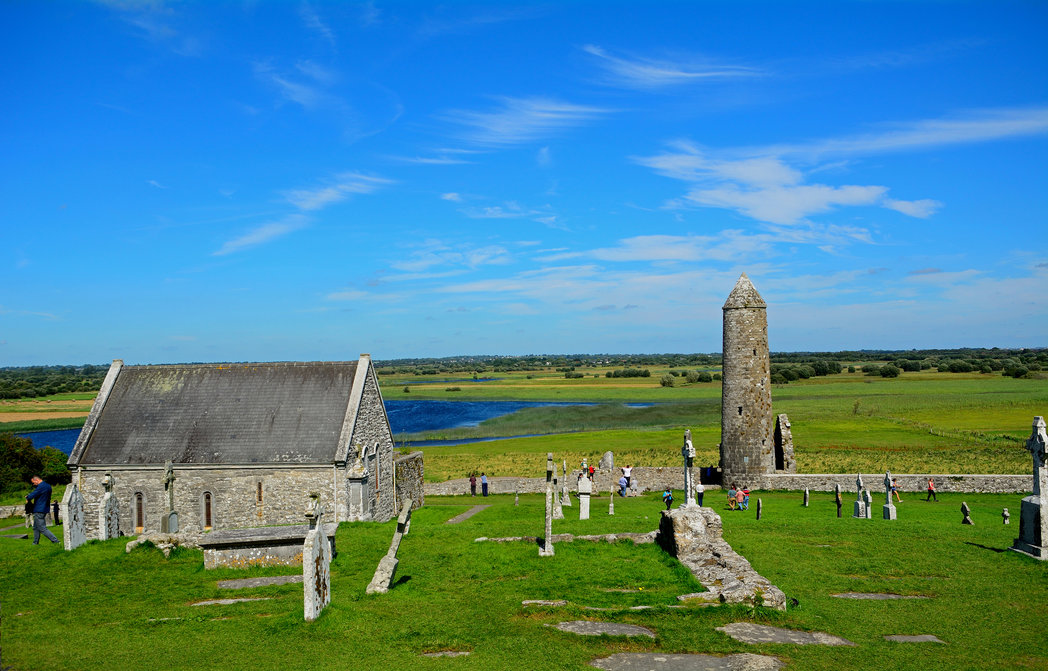
Located Northwest of Kilcormac, on the River Shannon, Clonmacnoise is an ancient monastery founded in the sixth century by St. Ciarán.

The strategic location of the monastery at a crossroads between the major east-west land route helped it become a major centre of religion, learning, craftsmanship and trade by the 9th century. Clonmacnoise is now home to three high crosses, a cathedral, seven churches and two round towers, and has provided much of Ireland’s Celtic art and illuminated manuscripts. In addition to its rich historical significance, Clonmacnoise is surrounded by a microcosm of landscapes within the Midlands, such as Shannon callows, eskers and both preserved and cutaway boglands.

This, one of Ireland’s most amazing heritage sites, should be top of the list for those looking for idyllic scenes and a step back hundreds of years. For more information and to book tickets to visit, click here.

Cycling

Around Kilcormac, you have access to a range of cycling routes and tracks, of varying lengths and difficulty levels. Here is just a flavour of them:

Slieve Bloom Mountains

Discover the beauty of the majestic Slieve Bloom mountains on your bike for a totally new experience. The quiet roads and forestry trails of the Slieve Blooms are ideal for leisurely and safe cycling either on or off the surfaced road.

Read More

Lough Boora Discovery Park

Use a solo or tandem bike to explore 22km of trails, winding through the park’s lakes, wetlands and rich grasslands. There is a car free cycle path with a tarred surface that offers approximately 9km of track for everyone including children to enjoy.

Read More

Grand Canal Way

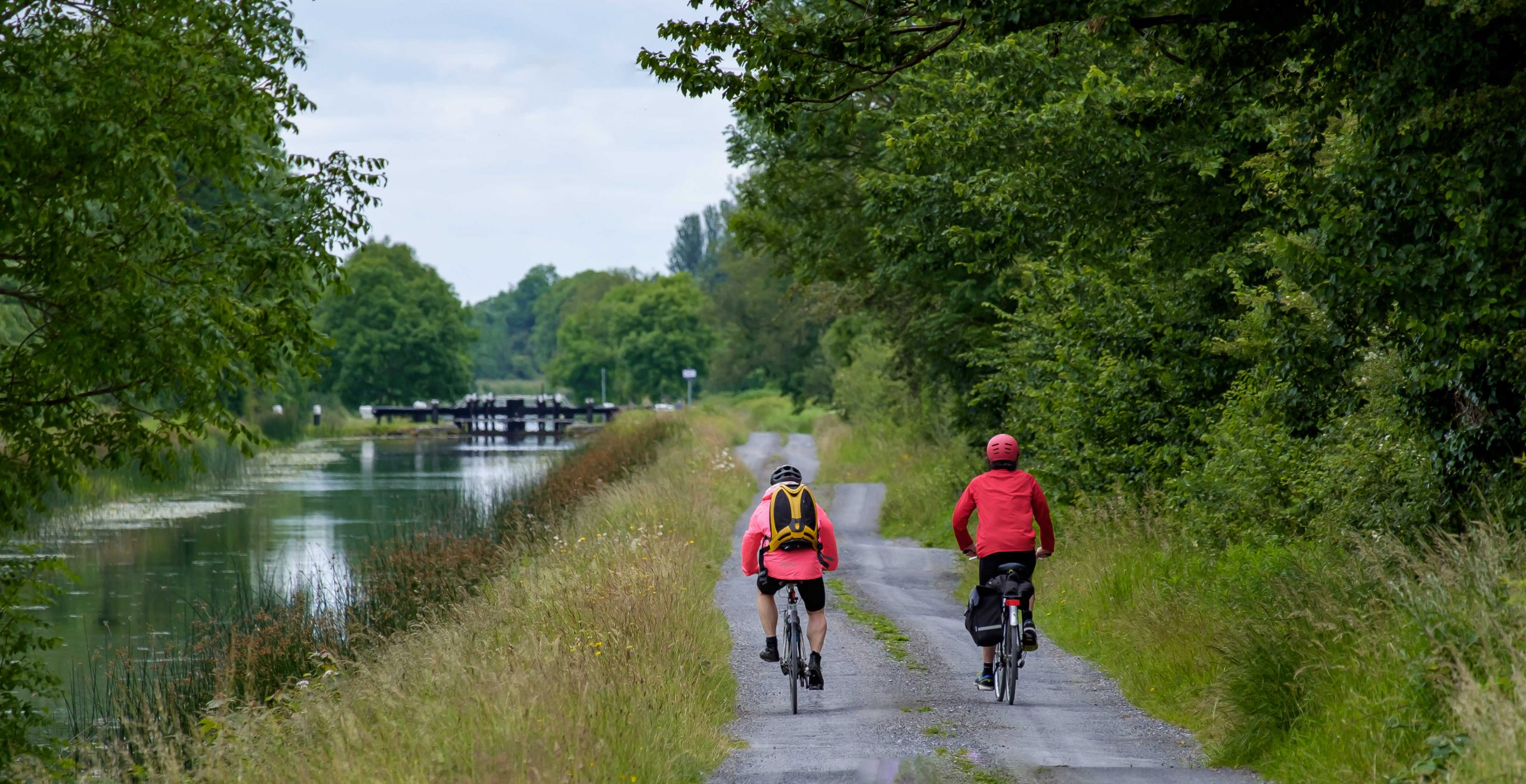
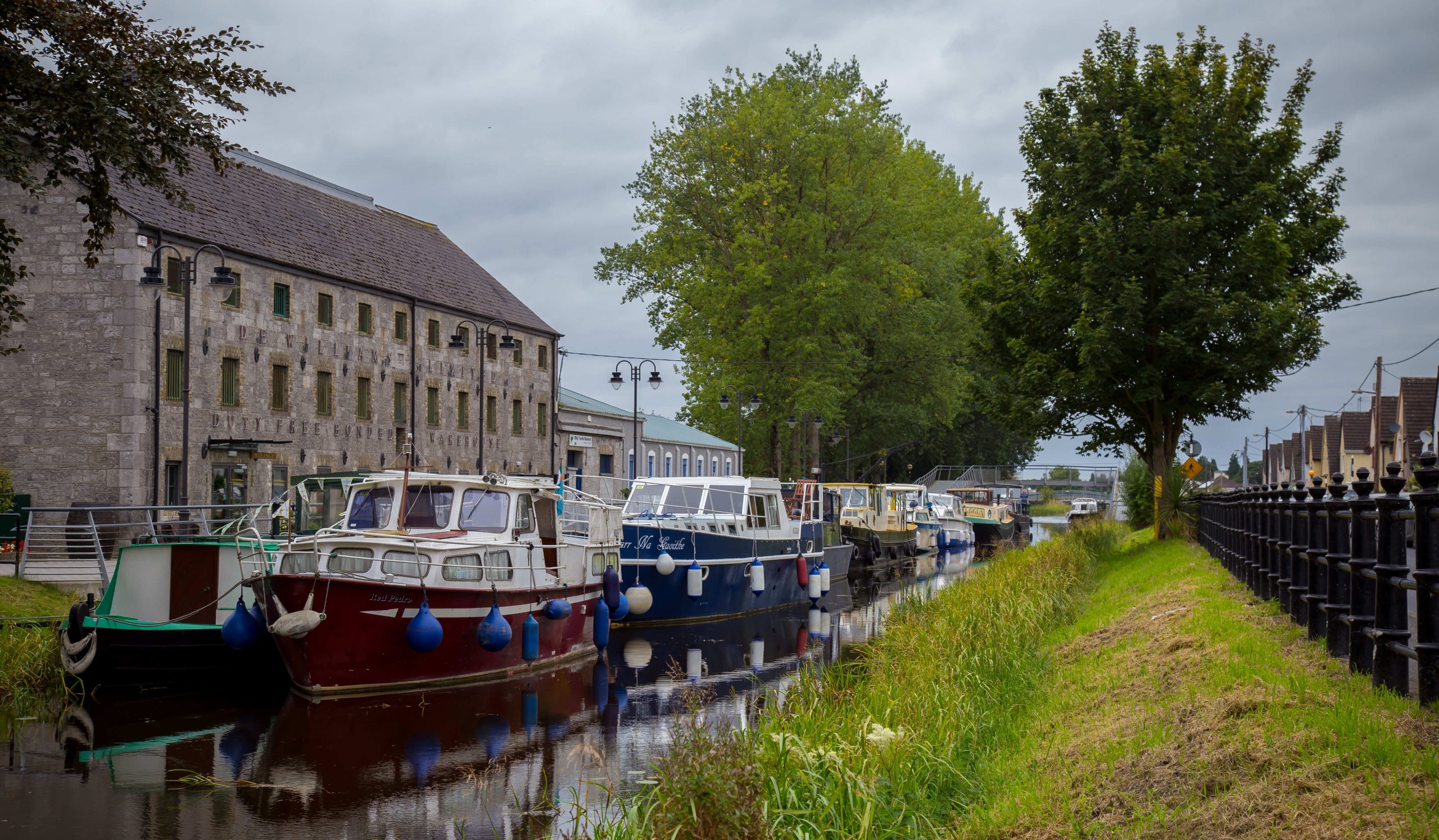
The Grand Canal Way is an historic walking trail which traverses Leinster from Ringsend in Dublin City to the River Shannon at Shannon Harbour in County Offaly. The route is punctuated by canal locks, lock houses and industrial architecture from bygone days. The route is currently being re-purposed as the Grand Canal Greenway. This greenway will follow the pleasant canal towpath, which was formally used by powerful draft horses pulling barges laden with goods and passengers.

The Offaly section of the Grand Canal Greenway will stretches from Edenderry in the east to Shannon Harbour in the west of the county. The Tullamore to Lough Boora Section of the Greenway links two landmark sites along Ireland’s Ancient East – Tullamore DEW and Lough Boora Discovery Park. The 22km journey westwards offers historic sites and rural tranquility in abundance.

Read More


History

The history of Kilcormac and the surrounding area is as rich as it is long. It weaves from the Mesolithic Era, through religious lore and myth, the ravages of Cromwell, and on to a heyday and renaissance of industrial heritage, leading into modern day.


Ancient History

The raised bogs of the Midlands of Ireland evolved after the last Ice Age, around 15,000 years ago. The Kilcormac area’s history goes right back to the Mesolithic era, following the discovery of the nearby Lough Boora Mesolithic site, which is dated 6800-6500 BC. This Mesolithic site is where charcoal remains, as well as other artifacts, from ancient campfires set up by Mesolithic hunters have been found. This discovery proved that the Midlands of Ireland were actually colonised over 3,000 years earlier than previously thought, making Lough Boora Mesolithic Site one of the most important archaeological finds in Ireland.

Just 3km from Kilcormac, the Lough Boora Mesolithic site is located within the Lough Boora Discovery Park.

To find out more about this, click here.


Religious History

Kilcormac boasts a very interesting and creative religious history. There is much lore and myth around the fascinating death of St. Cormac. A rare and historically important manuscript, the Kilcormac Missal was written here in the 14th Century and now resides in the Library in Trinity College, Dublin. The famous Pieta, a statue of Our Lady holding the body of Jesus, from the 16th Century, is located in the church in Kilcormac. Its very existence and survival is an intriguing story in itself – a symbol of the hardship suffered under Penal laws and brave local resistance to Cromwell and the Crown’s forces.

Kilcormac takes its name from Cormac Ua Liathain, also known as St. Cormac, a holy man from Cork who paid a visit to St. Colmcille at the famous monastery he had founded in Durrow in 553 A.D. Cormac was so inspired by the great saint that he joined Colmcille and spent many years at Durrow, eventually taking over as abbot after Colmcille had gone to Iona in Scotland. Cormac was a seafaring man and he went on a number of voyages searching for a peaceful place where he could devote his life to God. He eventually found his hermitage in the woods of Firceall, an ancient territory that comprised of what is now mid County Offaly, located beside the Silver River. From time to time, Cormac would retire to this place to pray and meditate. Eventually, this became Cill Chormaic, Cormac’s church, a place of worship for the people of the area who were honoured to have such a famous man in their midst.

Cormac died in the early years of the seventh century, supposedly from an attack by a pair of wolves. As time went on, St.Cormac’s church eventually fell into ruin. Although the name Kilcormac survived in the local townland, Ballyboy, situated on the highway through Firceall, was now the important centre in the area and in time gave its name to the parish and to the barony.

About five hundred years later reference is made to foreign monks, possibly Augustinian, at the Hermitage. A manuscript written in Kilcormac in 1300, giving it its name The Kilcormac Missal, is now in the Library of Trinity College, Dublin.

Another notable piece of religious history associated with Kilcormac is the famous Pieta – a statue carved in the 1500’s portraying the Virgin Mary holding the body of Jesus after he had been crucified and taken down from the cross. The only thing more astounding than the statue itself is the story behind its miraculous survival throughout the years.


Milling History

At one point, there were 13 mills on the Silver River, three of which were in the town of Kilcormac, including Williams Mill, Egan’s Mill and a distillery. Eventually the milling industry began to decline in the early 20th Century, making way for Bord Na Mona’s milled peat production industry to thrive.

“The most unaltered of all the county’s maltings is the one at Kilcormac, which still retains all its malting floors and double kiln at one end (fig 3.8). Its survival is undoubtedly due to its rural location which has not been subjected to the same development pressures as the maltings in the towns, and also due to it being kept in repair by its owner.” (https://www.offaly.ie/eng/Services/Heritage/Architecture/Mills-of-Offaly/)


Bord Na Móna

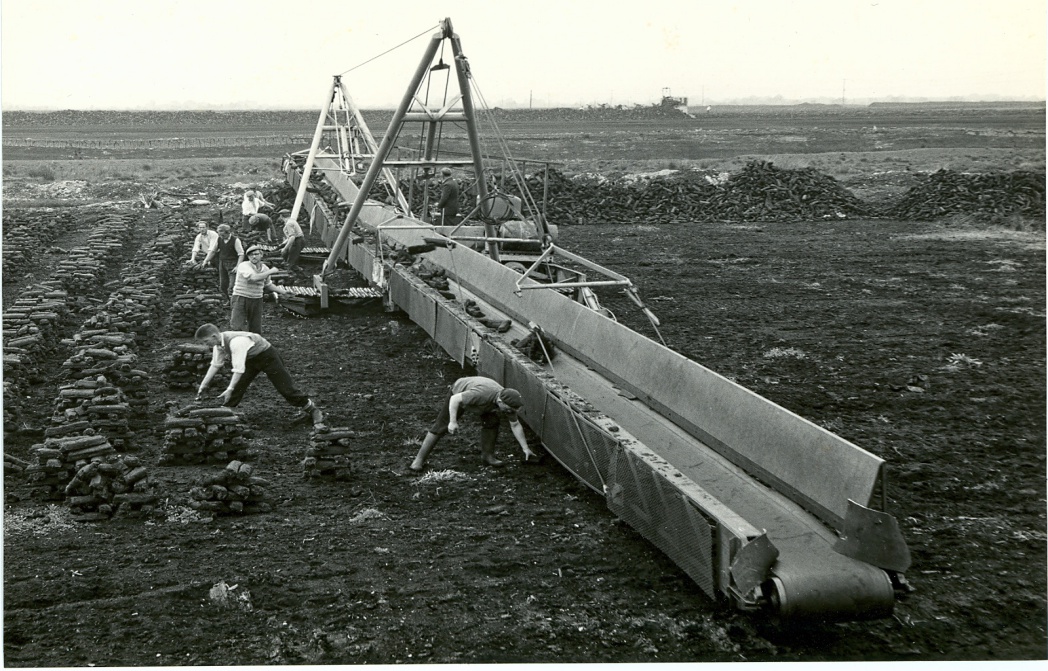
Bona Na Mona was established in the 1940’s to develop Ireland’s peat resources. This company produced milled peat, which was then used to generate electricity and manufacture peat briquettes. Milling is the process of harvesting peat from the surface of bog in the boglands and using it as a source of energy. The various stages included in the production of peat  include milling, harrowing, ridging, harvesting, stock protection, covering, loading, and transport. The boglands of Kilcormac proved to be the perfect site for milled peat production. By commercially developing the boglands in the vast area around Kilcormac, Bord Na Mona provided a great source of employment, as well as vast energy sources for the region, making Kilcormac a bustling and thriving home to the multitude of workers who settled here from most counties in the country and other countries.

To find out more about Bord Na Móna’s history, check out the Living History website.

Tullamore D.E.W. Visitor Centre

Tullamore D.E.W.’s history dates back to it’s first distillery in Tullamore in 1829. DEW or D. E. W. comes from the initials of famous Irish distiller, Daniel Edmund Williams, who began work in the diistillery in Tullamore aged 15, and became Distillery Manager at 25.

Tullamore D.E.W.’s modern distillery in Tullamore is due to open its Tullamore D.E.W. Visitor Experience in Summer 2021 which will bring visitors on an immersive journey telling of Irish whiskey, the distilling process and Tullamore D.E.W.’s own history.

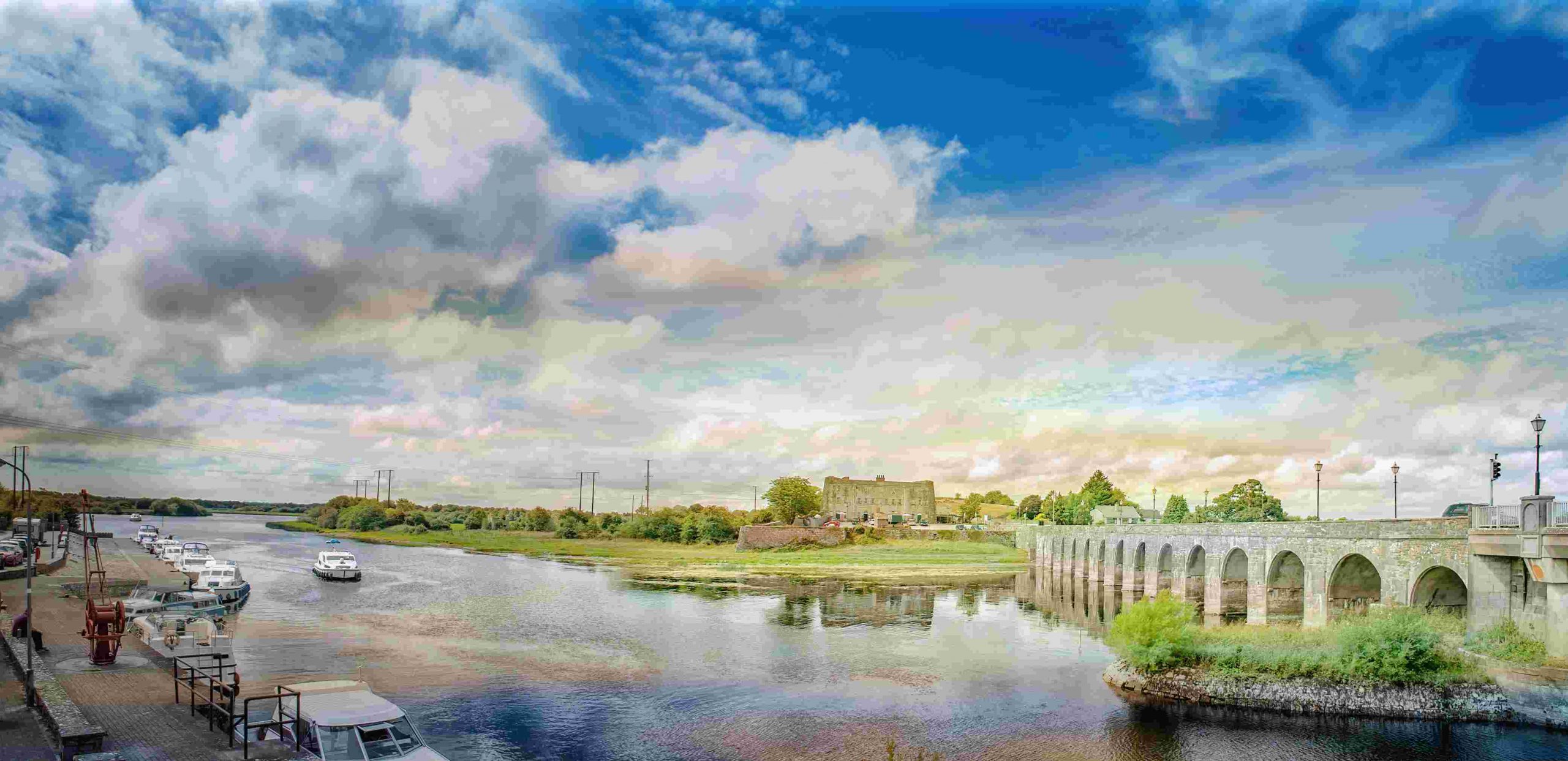
The River Shannon

The longest river in Ireland and indeed on the islands of Ireland and Great Britain, the River Shannon is one of Europe’s finest waterways. The river forms part of Offaly’s border as well as being a province border for Leinster. There are a host of activities on the River Shannon, from renting a cruise boat in Banagher on the Shannon or Shannonbridge, to fishing, kayaking and swimming. Why not check out Shannon Harbour, where the Grand Canal connects with the Shannon after commencing her journey in Dublin. Take a trip to Clonmacnoise to see how the Shannon meanders past the amazing Monastic Ruins there.