
Kilcormac Pieta

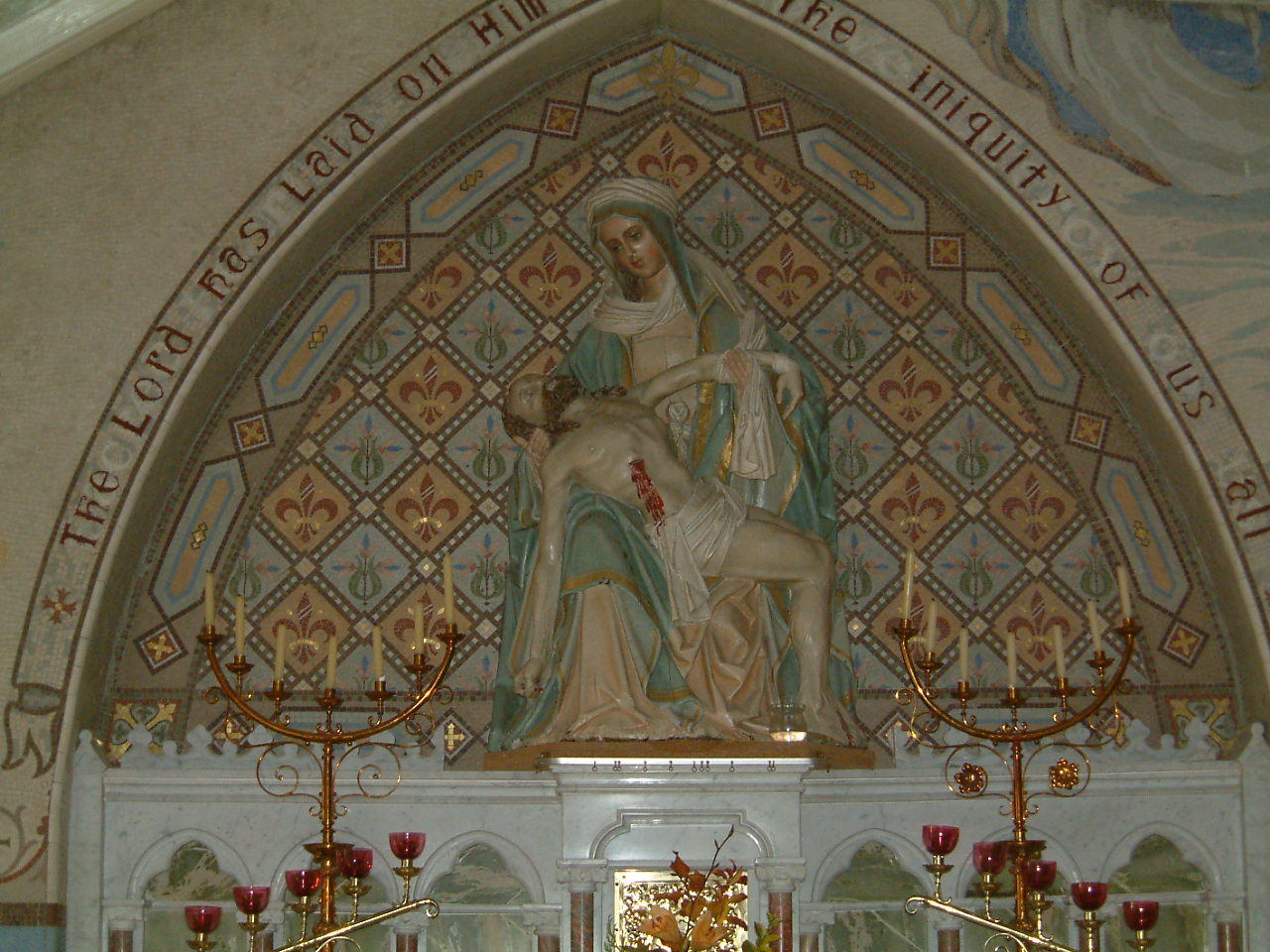
The Church of the Blessed Virgin Mary, Kilcormac, is the home of the beautiful Kilcormac Pieta, which dates all the way back to the 16th century. This exquisite statue depicts Our Lady holding the body of Jesus after he had been taken from the Cross following his crucifixion. The scene was a very popular subject for sculptors in the Middle Ages in Europe and the most famous one, that exists to this day, is by Michelangelo in St. Peter’s. The Kilcormac “Pieta”, however, is different; being carved from a block of solid oak and measuring five feet by three. It is a very beautiful carving, and is believed to be the only one of its kind and era in Ireland. It is a subject of great devotion in the area and the wonderful story of its survival, which was passed on by word of mouth for generations, was finally written down by the former parish priest of Kilcormac, the late Father Andrew Shaw.

It is thought that the Pieta is of Spanish origin and according to tradition it was donated to the parish by a rich lady in the 16th century. It was placed in the parish church, which at that time was in Ballyboy, about 1 mile from Kilcormac. There it remained until one day in 1650, when Oliver Cromwell’s army was reportedly approaching from the direction of Cadamstown.

Upon hearing this news, everyone gathered up their belongings and prepared to flee to the woods, when two women thought of the Pieta. They rushed to the church, took the Pieta outside and buried it in a heap of rubbish. Later, in the dark of night, a number of men came back into the town and brought the beloved statue out from under the heap of rubbish and reburied it in a bog, where it was to lie for over sixty years. This brilliant combination of quick thinking and courageousness demonstrated by the townspeople, most likely ensured the survival of the Pieta, saving it from the same fate as the churches of Kilcormac and Ballyboy, which were reduced to ruins during those years of persecution.

It is thought that sometime between 1700 and 1720, only one man was left alive that knew where the Pieta was buried, and according to tradition, he was carried on his deathbed to point out the statue’s secret hiding place. The carving was carefully recovered and, upon examination, was found to be in perfect condition, impeccably preserved by the bog. It was then placed in the church that had recently been built in Kilcormac, the whole parish was overjoyed to have their valued Pieta among them again.

It almost left the parish some years after that when a priest, who was moving to Borrisokane, took it with him! However the parishioners brought it back and it has remained in the parish church of Kilcormac to this day.


Walking

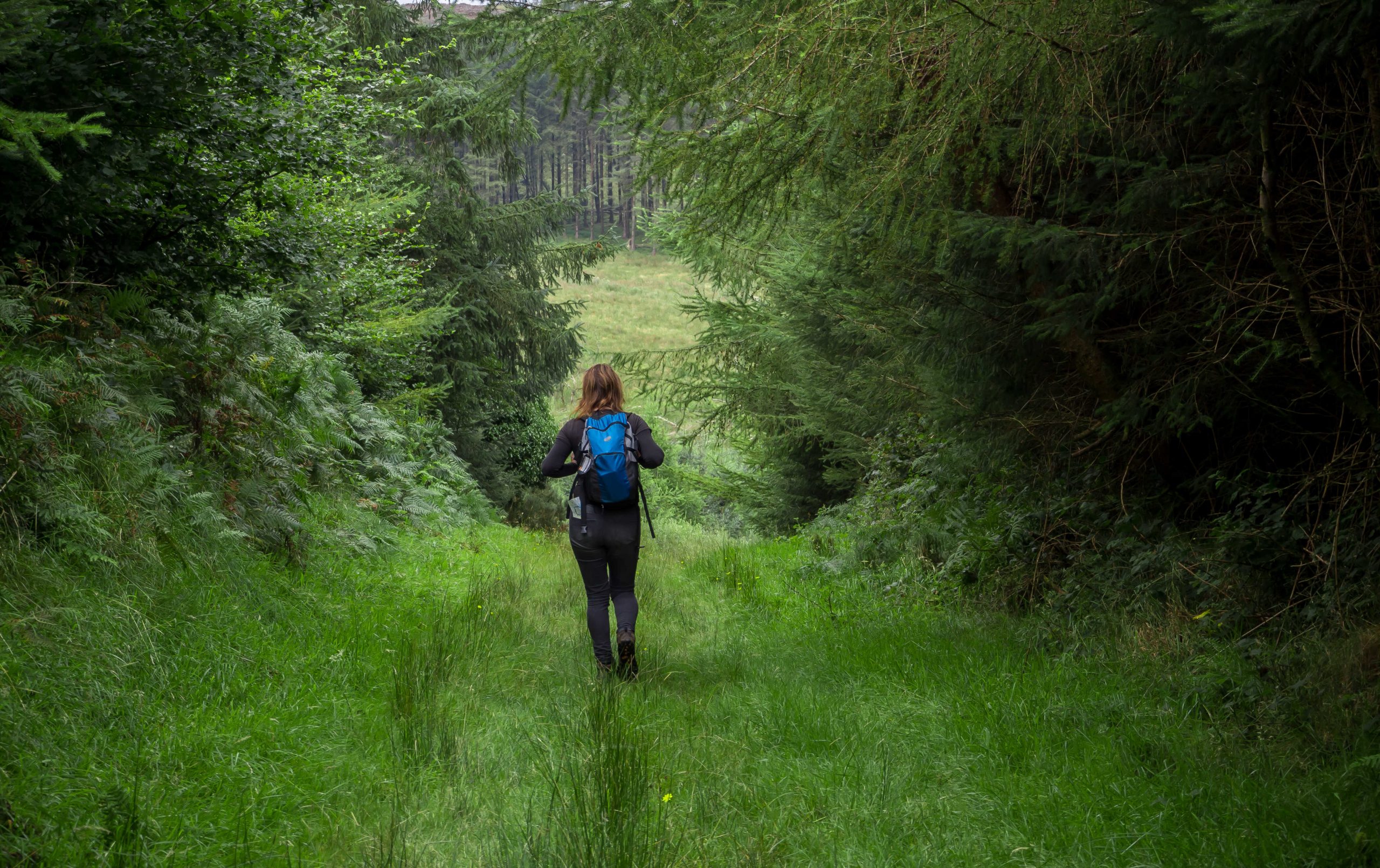
In Kilcormac, we love our walking! We are spoilt with a variety of walks to choose from- be it up the mountains or down the bog. From those looking for a relaxing stroll to the avid hikers, we have it all nearby. Here is a selection of walks to choose from:


Kilcormac Loop Walks (located in Kilcormac)

Here’s a selection of some Loop walking routes that are within or begin (and end) in Kilcormac.

Silver River Loop Walk – 5km
Track Loop Walk – 5.2km
Finnamore Fort Loop Walk – 7.1km
Quarry and Wood Loop Walk – 8.8km


Offaly Way (passing through Kilcormac)

This route takes in a rich collection of features that will ensure many walkers will want to linger along the way. The route stretches from Cadamstown and passes through Kilcormac on it’s route to Leamonaghan, also weaving through Lough Boora Discovery Park – distance: 37km linear walk.

Read More 


Lough Boora Discovery Park Walks (3km from Kilcormac)

Lough Boora Discovery Park offers trails ranging from a short stroll to longer treks to take you through the diverse amenities. All routes begin and end at the new Visitor Centre, with a level walking landscape that can be enjoyed by all age groups.

Sculpture Park Route – 3.3km
Mesolithic Route – 9.3km
Farmland Route – 6km
Finnamore Lakes Route – 11.7km
Turraun Route – 15.8km

Read More 


Slieve Bloom Walks (15km from Kilcormac)

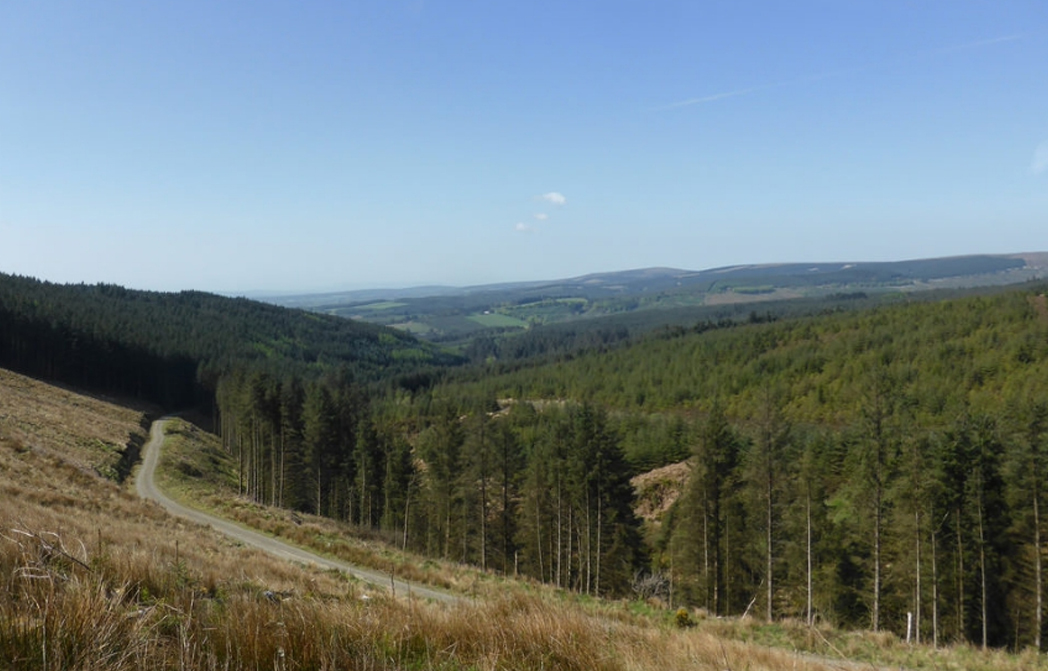
Get off the beaten track and connect with nature in the unspoilt and uncongested Slieve Bloom Mountains, where you will find a wide variety of distance and terrain walks throughout the Slieve Blooms.

Read More

Lough Boora Discovery Park

In addition to being home to one of the most important Mesolithic sites in Ireland, this 2,000 hectare site of cutaway bog, just 3km north of Kilcormac, is now home to countless species of birds and wildlife, four fish-filled lakes and the Sculpture Park – a permanent exhibition of huge outdoor sculptures created from old industrial materials of the bog that once occupied this land.

Lough Boora Discovery Park proves to be the perfect destination for those who would enjoy angling in one of the various lakes, cycling along the 22km worth of biking trails or walking along the additional 50km of walking paths, each trail varying in length and difficulty. And it’s free to visit, and open all year round!

For more information about Lough Boora Discovery Park and to plan your visit, check out their website here.


Slieve Bloom Mountains

One of the oldest mountain ranges in Europe, the Slieve Bloom Mountains is also the most unspoilt and uncongested mountain ranges in the country, just about 15 km from Kilcormac. Visit The Environment Park in order to explore an area of undiscovered environmental beauty with a fabulous array of flora and fauna, remarkable deep glens, rock outcrops and waterfalls. In addition to the extraordinary display of landscapes, plant life and the unmatched views, there is also an impressive variation of wildlife to be observed in this area. As many as 65 different bird species have been spotted here!

Explore on foot, horse-ride or mountain bike, even a scenic drive through the Slieve Blooms makes for a great day. And once the day is done, you can make your way to one of the cosy pubs or cafes in Kinnitty, Ballyboy, Clonaslee or indeed Kilcormac.

There is a network of purpose-built singletrack mountain bike trails and forest roads that are designed for use by mountain bikes on way-marked circular routes. The routes are graded blue (moderate) and red (difficult/severe). You can rent mountain bikes in Kinnitty and get off-road.

Birr Castle & Gardens

Developed around the Birr Castle estate of the Parsons family, the Earls of Rosse, this historic town showcases the 18th and 19th century architecture in County Offaly – an environmental and scientific time capsule only 15 km from Kilcormac! This town’s history extends long before this, however, as it was actually home to St.Brendan – one of the “twelve apostles of Ireland” – in the 6th century. 

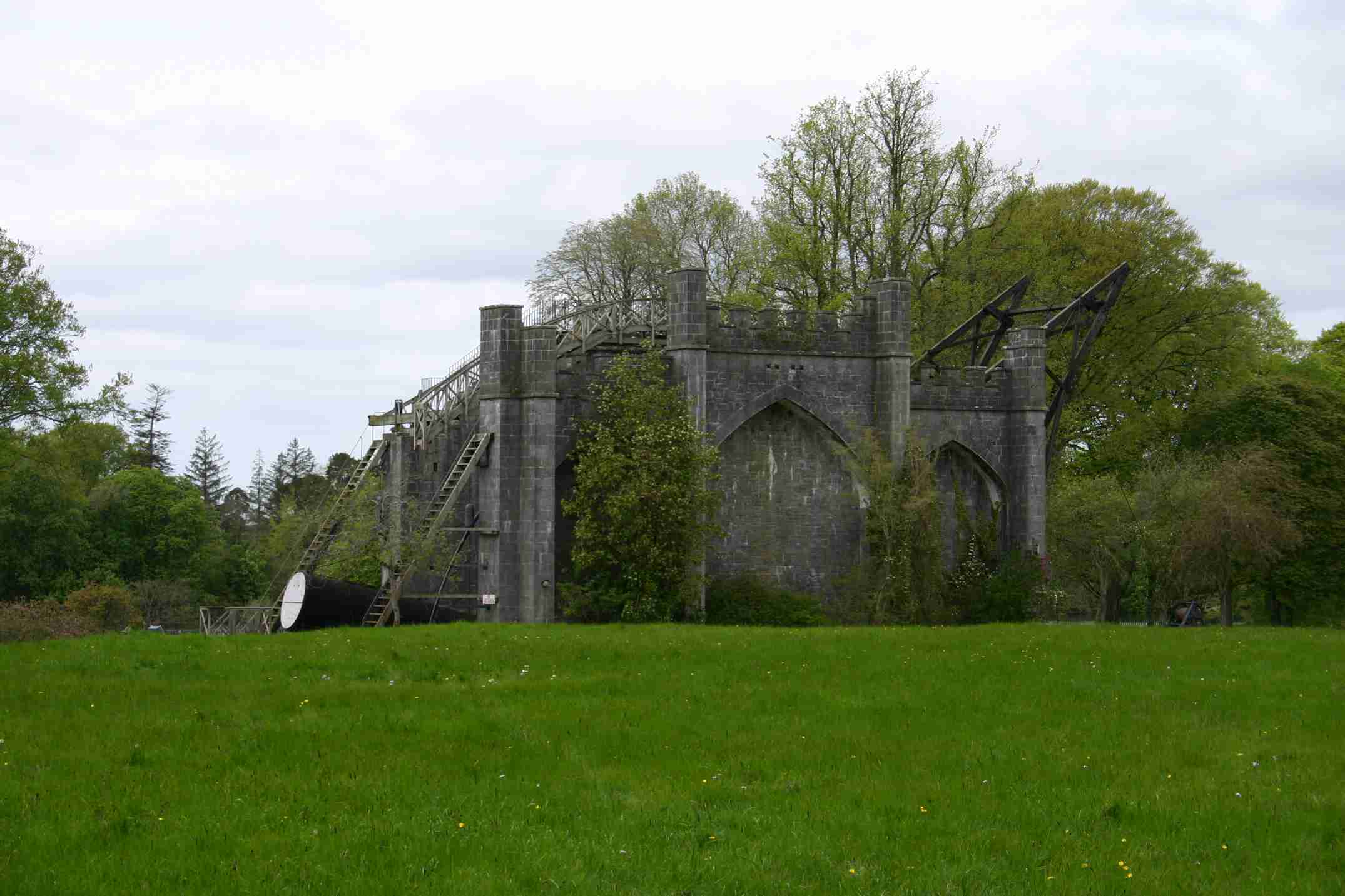
Birr Castle Demesne, in addition to being the seat of the Parsons family for 14 generations, is also home to the spectacular Gardens and the Science Centre. The award winning gardens, that stretch over 50 hectares, house over 2,000 species of plants, including an abundance of rare plants that the Earls of Rosse have collected from all around the world over last last 150 years, over 40 champion trees, the world’s tallest box hedges, as well as rivers, lakes and waterfalls. Birr Castle was once the international centre of scientific discovery and innovation, as the third Earl of Rosse built the Great Telescope, his wife practiced photography and their son invented the steam turbine. Now, the interactive Science Centre takes you through the wonders of early photography, engineering and astronomy.

The Great Telescope, built in the early 1840s, is of particular interest and importance, as it was the largest telescope in the world, and with it, the third Earl of Rosse discovered the spiral nature of some of the galaxies.


Explore the town of Birr, with the Birr Town Trail and the Riverbank Walk, and with live theatre and performances at the Birr Theatre, a playground and Ireland’s largest treehouse at the Treehouse Adventure Area and riding lessons and cross-country treks with the Birr Equestrian Centre, there is fun for everyone!

For more information on Birr Castle and Gardens, visit their website here.

Tullamore

Tullamore, the capital town of the county of Offaly, is located in the centre of the country. Tullamore has traditionally been an important industrial, retail and the services centre for County Offaly. It is an excellent town for retail and has many shopping outlets throughout the town.

It annually hosts the Tullamore show, the largest Livestock, Agricultural and Trade Show in Ireland which attracts thousands of people to the area. It is situated on the Grand Canal about 20 km outside of Kilcormac, making the town a popular destination for fishing enthusiasts. In addition to fishing, Tullamore is also a prime location for golfing, as well as the local Golf Club at Brookfield, there are also many fine courses within a 30 km radius.

Home to the world-famous Tullamore D.E.W. Whiskey, you can go to the Visitor Centre and embark on any of the three unique journeys they offer, with different guided tours, tutored whiskey tasting and even the chance to blend your own whiskey to take home. The new distillery, built in 2014, produces this famous brand, which is now the second largest selling brand of Irish Whiskey globally.

Charleville Estate is located on the edge of the town. Charleville Castle, which is part of the estate is said to be the finest example of gothic-revival architecture in the country. The estate also contains the King Oak, one of the biggest and oldest oak trees in the country.

In 1785, Tullamore was seriously damaged when the crash of a hot air balloon resulted in a fire that burned down as many as 130 homes, and the current town crest depicts a phoenix rising from the ashes to remember the rebuilding of the town.

Tullamore has a railway station and is served by trains on the Dublin-Galway and Dublin-Westport/Ballina inter-city routes. In association with the County Westmeath urban centres, Athlone and Mullingar, Tullamore forms part of what is known as the Midlands Gateway.

Clonmacnoise

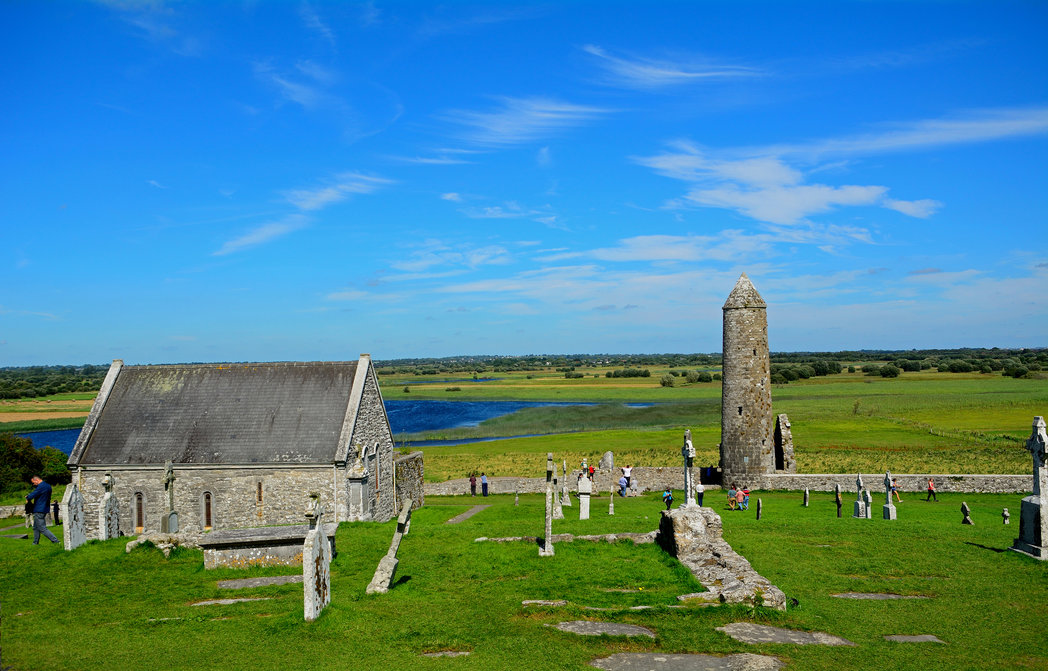
Located Northwest of Kilcormac, on the River Shannon, Clonmacnoise is an ancient monastery founded in the sixth century by St. Ciarán.

The strategic location of the monastery at a crossroads between the major east-west land route helped it become a major centre of religion, learning, craftsmanship and trade by the 9th century. Clonmacnoise is now home to three high crosses, a cathedral, seven churches and two round towers, and has provided much of Ireland’s Celtic art and illuminated manuscripts. In addition to its rich historical significance, Clonmacnoise is surrounded by a microcosm of landscapes within the Midlands, such as Shannon callows, eskers and both preserved and cutaway boglands.

This, one of Ireland’s most amazing heritage sites, should be top of the list for those looking for idyllic scenes and a step back hundreds of years. For more information and to book tickets to visit, click here.

Cycling

Around Kilcormac, you have access to a range of cycling routes and tracks, of varying lengths and difficulty levels. Here is just a flavour of them:

Slieve Bloom Mountains

Discover the beauty of the majestic Slieve Bloom mountains on your bike for a totally new experience. The quiet roads and forestry trails of the Slieve Blooms are ideal for leisurely and safe cycling either on or off the surfaced road.

Read More

Lough Boora Discovery Park

Use a solo or tandem bike to explore 22km of trails, winding through the park’s lakes, wetlands and rich grasslands. There is a car free cycle path with a tarred surface that offers approximately 9km of track for everyone including children to enjoy.

Read More

Grand Canal Way

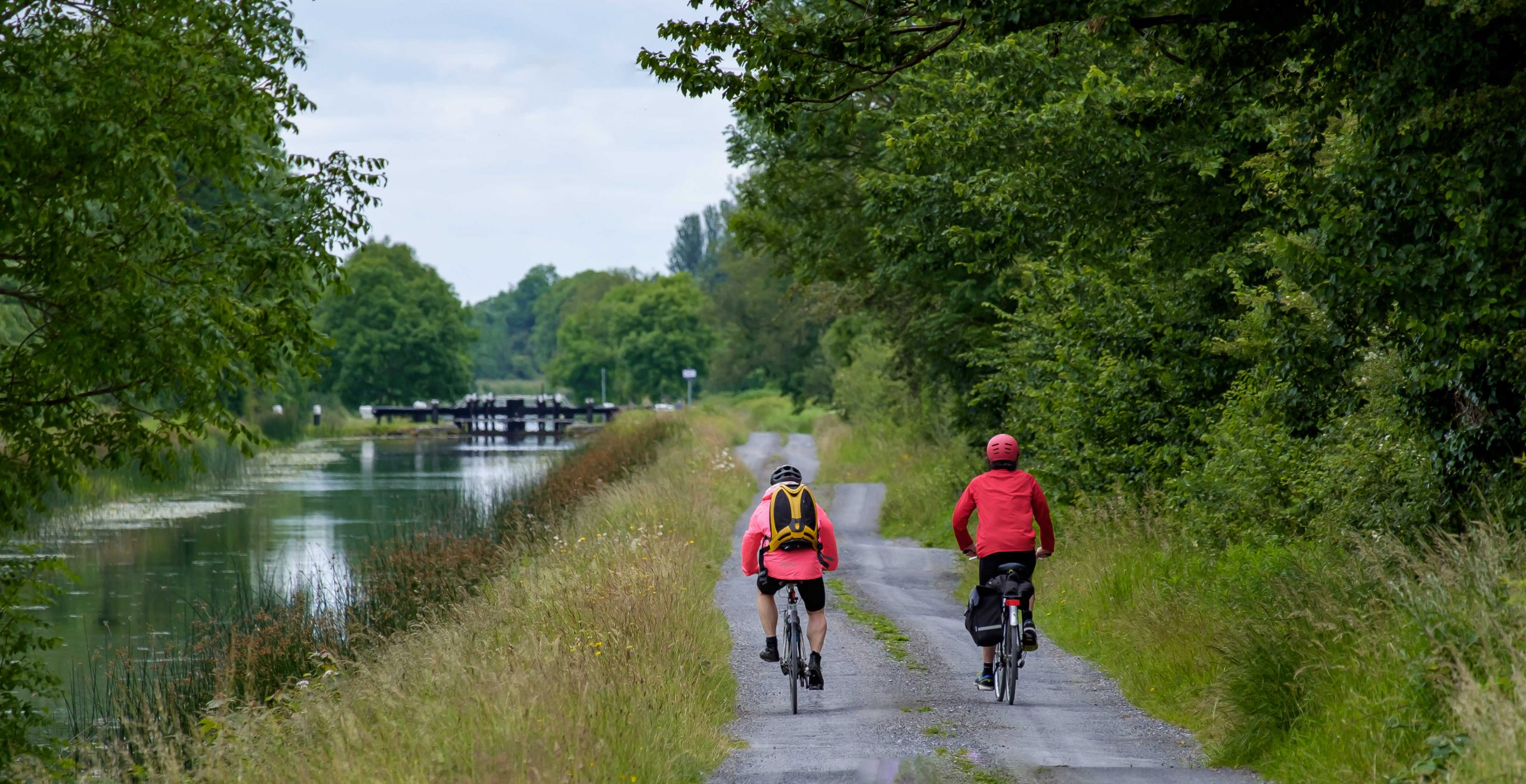
The Grand Canal Way is an historic walking trail which traverses Leinster from Ringsend in Dublin City to the River Shannon at Shannon Harbour in County Offaly. The route is punctuated by canal locks, lock houses and industrial architecture from bygone days. The route is currently being re-purposed as the Grand Canal Greenway. This greenway will follow the pleasant canal towpath, which was formally used by powerful draft horses pulling barges laden with goods and passengers.

The Offaly section of the Grand Canal Greenway will stretches from Edenderry in the east to Shannon Harbour in the west of the county. The Tullamore to Lough Boora Section of the Greenway links two landmark sites along Ireland’s Ancient East – Tullamore DEW and Lough Boora Discovery Park. The 22km journey westwards offers historic sites and rural tranquility in abundance.

Read More


Local Attractions

Kilcormac town itself has a rich and history. Why not take a walk around the town and check some of these attractions.

Kilcormac Pieta
Located in the Church of the Blessed Virgin Mary, the Kilcormac Pieta was carved from solid oak in the 16th Century in Spain (it is believed). Most amazing is the story of how it survived the scourge of Cromwell and made its way to its current location. Click here to read the full story.


St. Cormac’s Well
Just a few minutes walk from Kilcormac Town Centre, is one of the many ‘St. Cormac’s Well’. In local folklore, it is said that St. Cormac was chased by wolves to his death. Whilst trying to escape from the wolves, every time he fell, a well sprung up. One of these such wells is at Ballincloghan, where every year on St. Cormac’s Day (21st June), locals gather to pray to the saint from whom Kilcormac gets its name.


St. Cormac’s Park
As Bord Na Mona developed the boglands around Kilcormac, a large amount of employment was created in the area. This brought workers from all over Ireland and beyond to live in Kilcormac. This created a need for additional housing for these employees.

Esteemed Town Planner, Frank Gibney, was appointed by Bord Na Mona to design a new housing development for their employees. This new housing estate, of 104 homes, was called Pairc Naomh Cormac (St. Cormac’s Park). Gibney had a very distinctive style of civil design, deriving from the Beaux Arts tradition which drew upon the principles of classicism, and reference Gothic and Rennaissance elements, but with the use of modern materials. His designs are notable for their curved terrace of houses enclosing generous green amenity spaces. 

The houses included modern conveniences not yet common in rural Ireland, such as turf-fired boiler cookers, hot running water, indoor toilets and baths, and a fuel store. 

A strong sense of community was created in St. Cormac’s Park, and a sense of vibrancy was added to Kilcormac. New businesses sprung up in the town to service the needs of these locally employed families. The sense of community and pride is something that still exists today, most notably through the pristine condition in which the park is kept.

St. Cormac’s Park’s most famous sons include dual-star Liam Currams, who won an All Ireland with the Offaly hurlers in 1981 and the Offaly Footballers in 1982, one of less than a handful to have won an All Ireland in both codes in consecutive years; and Stephen Byrne who won an All Ireland Hurling medal in 1998, playing in goal.

To find out more about St. Cormac’s Park, check out the Kilcormac Audio Trail Guide here


Sisters of Mercy Convent
This beautiful building, built in 1885, sits on Main Street in the centre of the town was up until home to the Sisters of Mercy nuns. The convent sits on the site of the original Carmelite monastery which was founded by Odo O’Molloy in approximately 1406. It is believed that the monastery was ransacked following an English attack of Kilcormac in 1548, and dissolved due to the religious policies of Henry VII. The best known relic of the Monastery is the Kilcormac Missal which is preserved in the Library in Trinity College, Dublin.


Local Walking
Kilcormac is a Trailhead for the Offaly Way which journeys from the Slieve Bloom Mountains into Kilcormac, on through Lough Boora Discovery Park and along the Grand Canal. For something a bit shorter, there are 4 signposted loop walks that start in Kilcormac, at the Market Square, where you can pick up fresh produce every Saturday morning at the Fresh Food Market. For a selections of walks in and around Kilcormac, click here.

Fishing

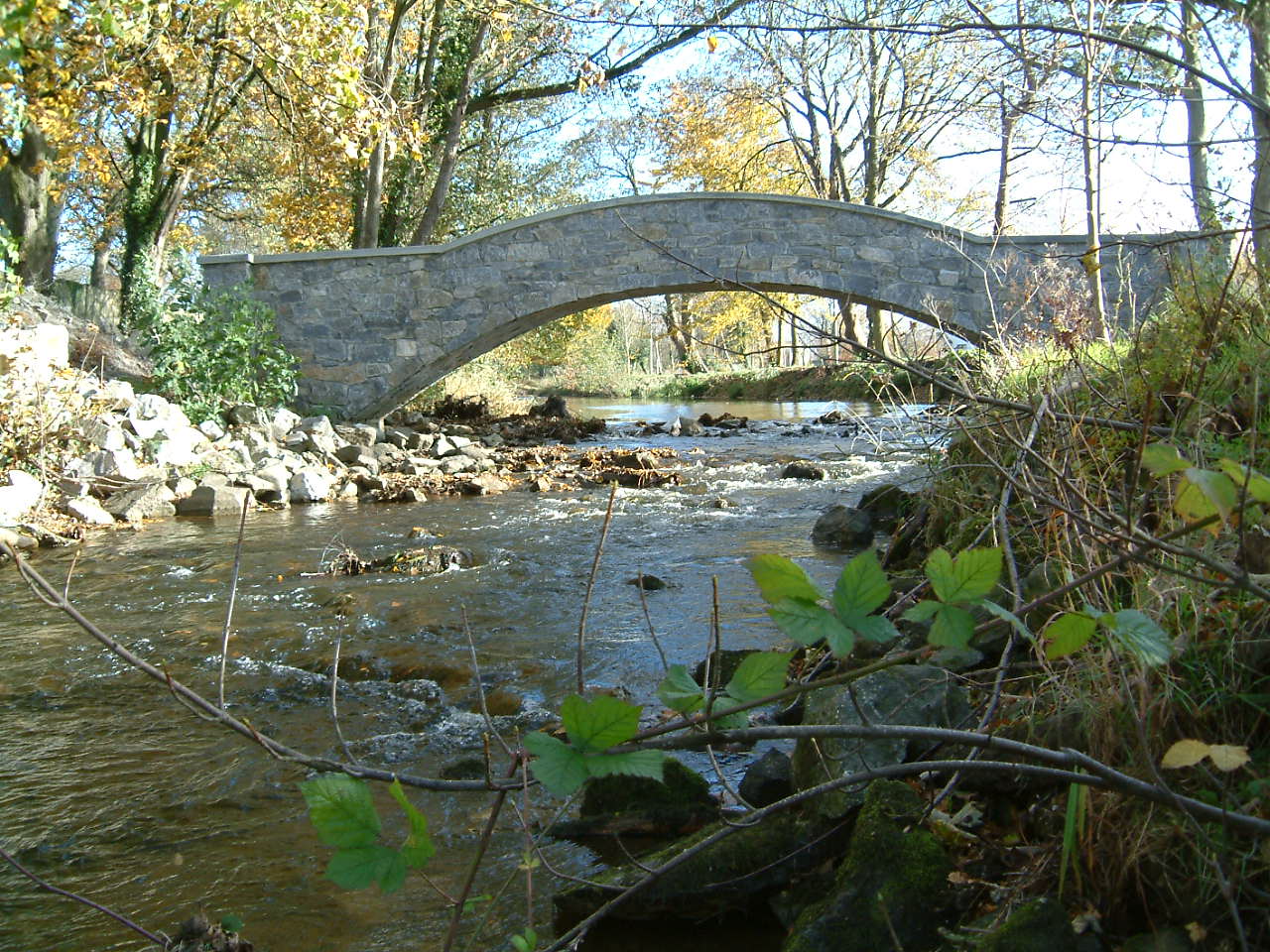
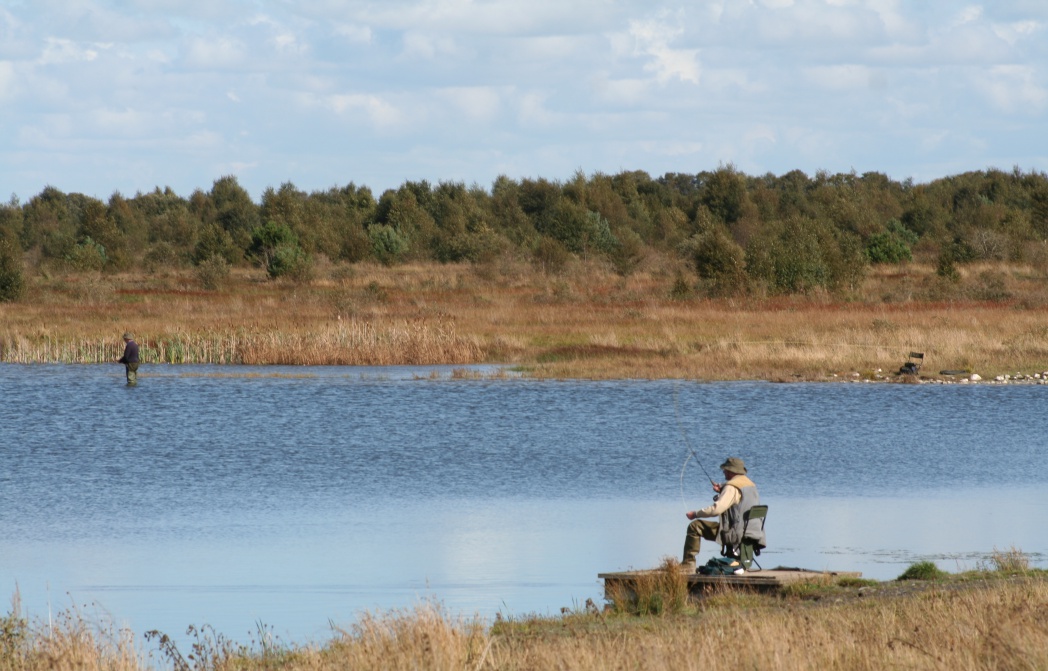
Kilcormac is the ideal location from which to plan your fishing trip. The Silver River flows through the town and is stocked with Brown Trout and in nearby Birr is the Camcor River famous for the  Croneen trout a unique species of Brown Trout to the Birr area.

Just 30 minutes from the River Shannon, you can spend the day on Ireland’s largest river setting off from Shannonbridge or Banagher. Closer to home there is angling  in Pallas Lake, Cloghan Lake, Finnamores Lakes and Lough Boora Discovery Park.

Lough an Dochais, in Lough Boora Parklands is an accessible lake which hosts the All Ireland Competition for disabled anglers each year.

For more information on fishing around Kilcormac:

Visit Angling in Ireland: https://fishinginireland.info/news/coarse-reports/co-offaly/

Visit Angling in Offaly: https://www.visitoffaly.ie/Things-to-do/Outdoor-Adventures/Fishing/

Visit Angling in Lough Boora Discovery Park: https://www.loughboora.com/things-to-do/angling/